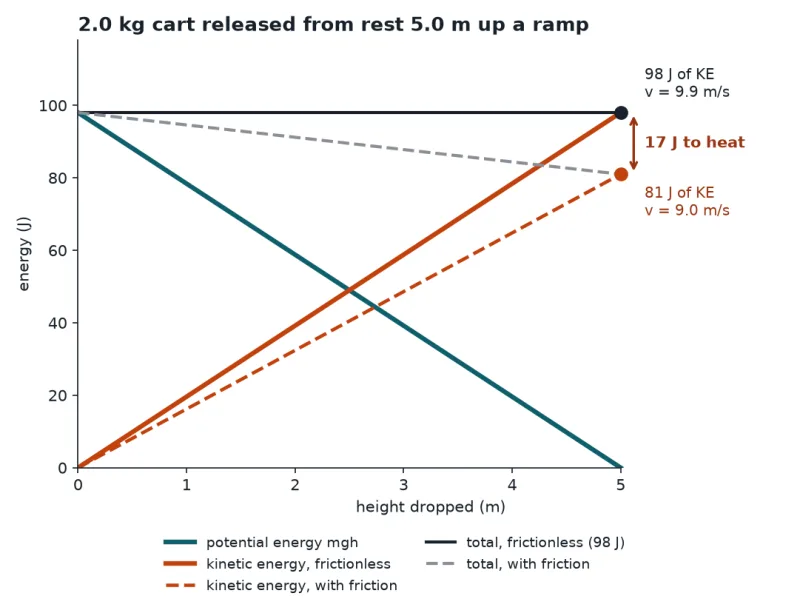
Learn when to use W = Fd cos θ, the work-energy theorem, and conservation of mechanical energy, with worked examples on friction, springs and power.
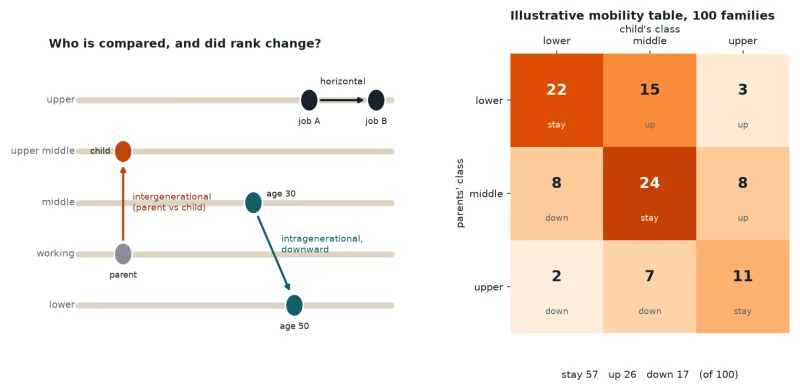
Vertical vs horizontal, intergenerational vs intragenerational, structural vs exchange mobility, plus caste and class systems, with a worked mobility table.
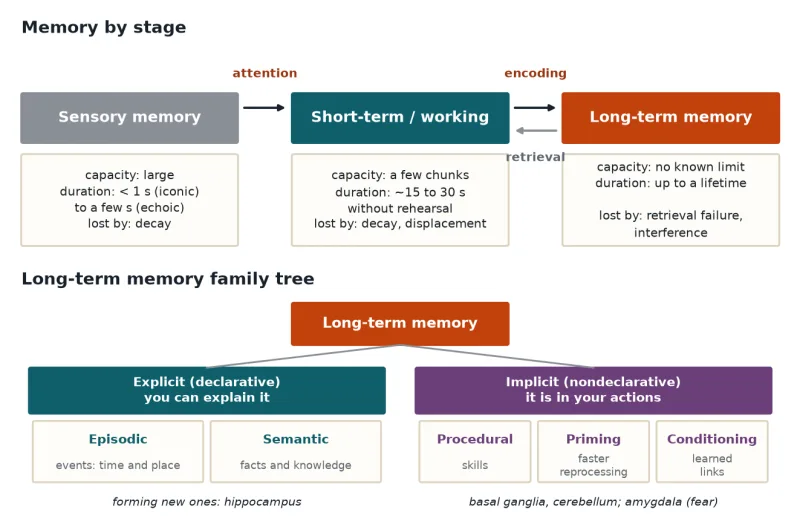
How sensory, short-term, working and long-term memory differ in capacity and duration, plus explicit vs implicit memory and the brain areas behind each.
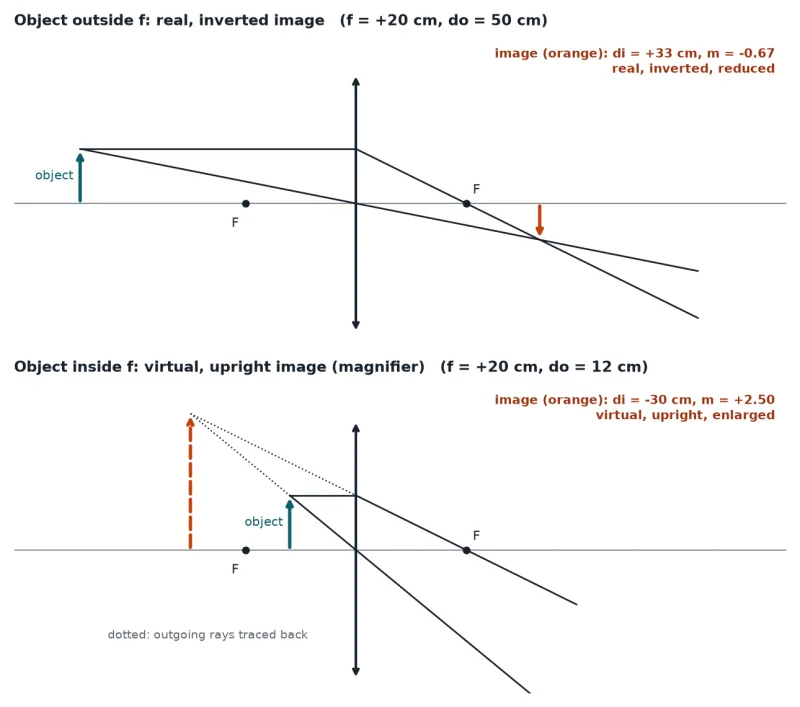
Solve any lens or mirror problem with 1/f = 1/do + 1/di and m = -di/do, using one sign convention, an image table and four worked examples.
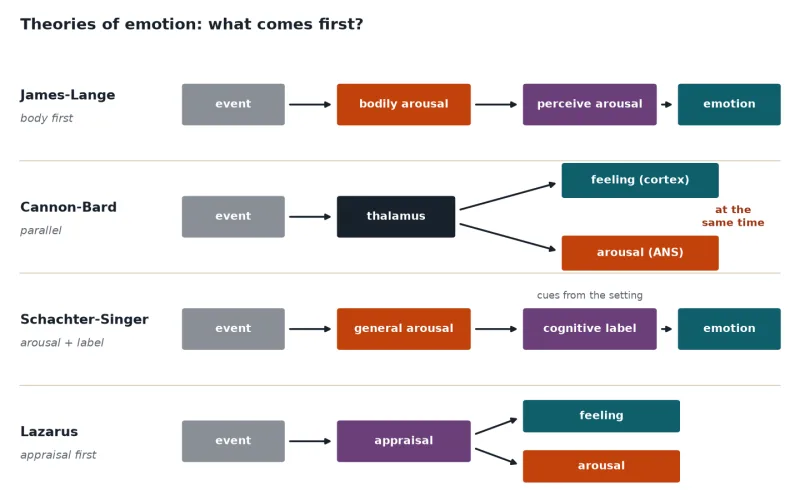
Compare the James-Lange, Cannon-Bard, Schachter-Singer and Lazarus theories of emotion by sequence, evidence and critiques, with practice scenarios.
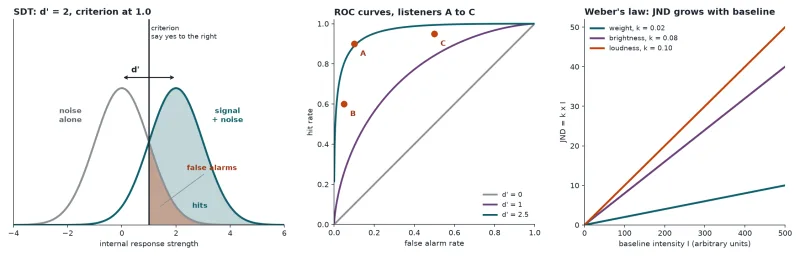
Learn absolute and difference thresholds, apply Weber's law, and separate sensitivity (d') from response bias in signal detection theory, with worked numbers.
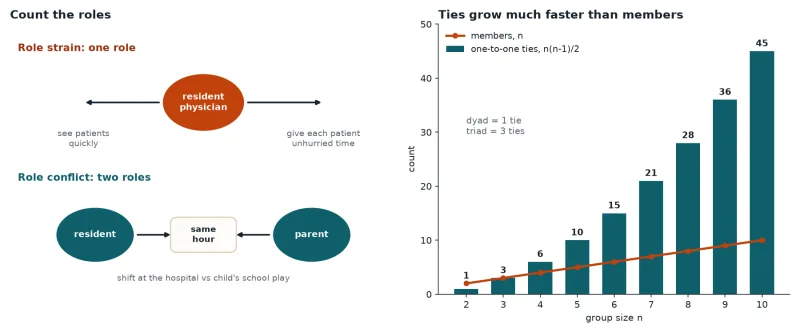
Role strain vs role conflict, ascribed, achieved and master status, and primary, secondary, in-groups and reference groups, with worked examples.
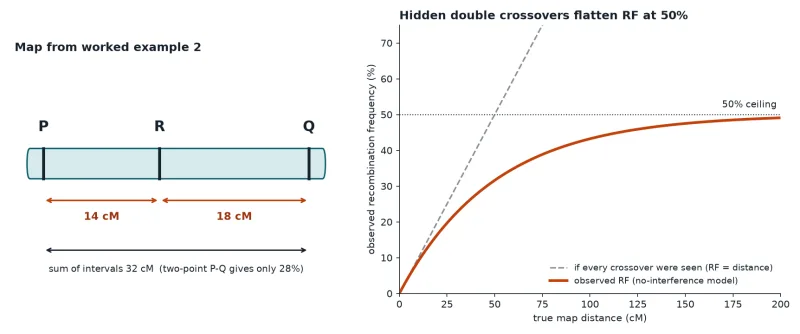
Calculate recombination frequency from a test cross, convert it to map units, order three linked genes, and see why distances cap at 50 percent.
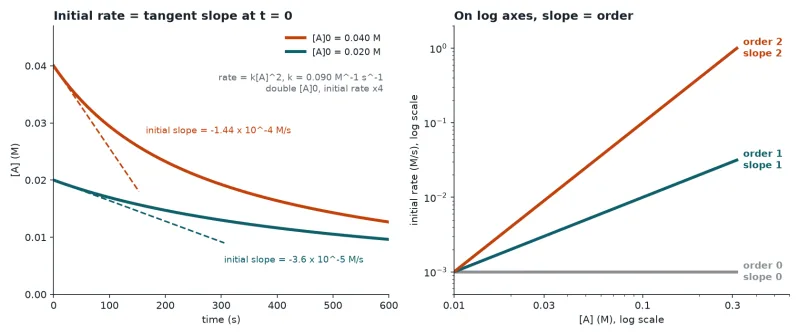
Find reaction orders, the rate law, and k from an initial rates table, with ratio and log shortcuts, k units by order, and worked MCAT-style examples.
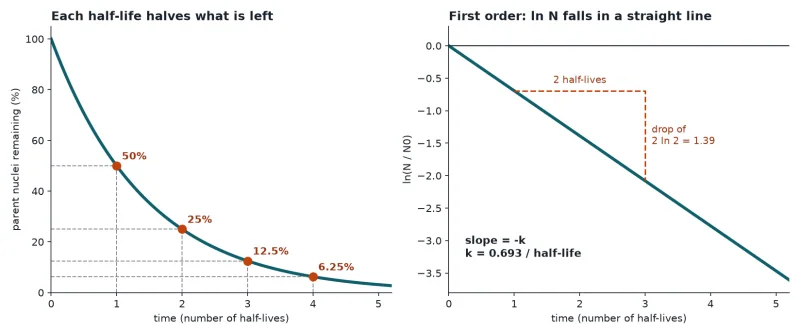
Balance alpha, beta and gamma decay equations, then solve half-life problems for fraction left, elapsed time and activity, with worked examples.
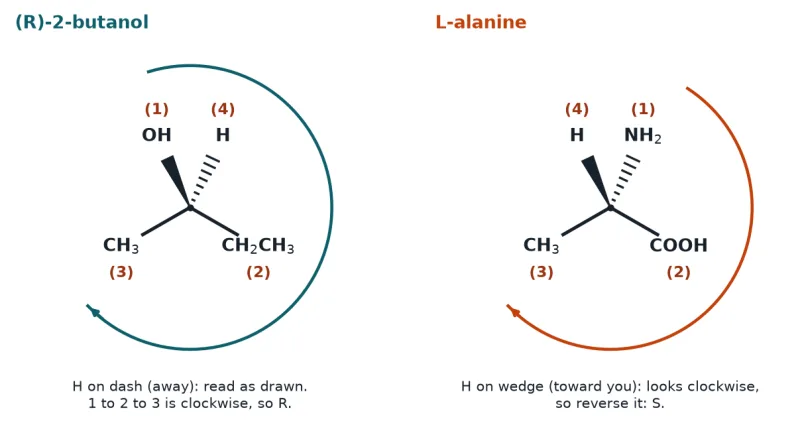
A step-by-step method to rank groups by CIP priority and assign R or S from wedge-dash drawings and Fischer projections, with tie-breaker practice.
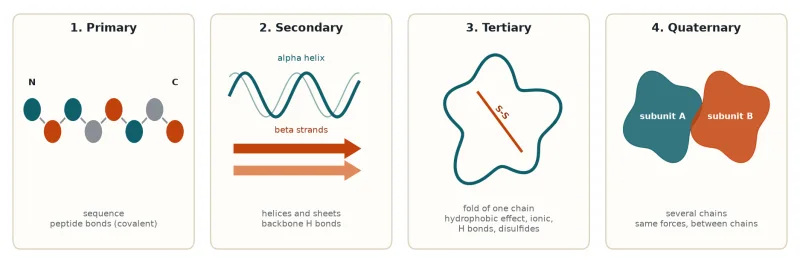
The four levels of protein structure, the bonds that hold each level together, and how heat, pH, urea, and SDS unfold proteins, written for the MCAT.
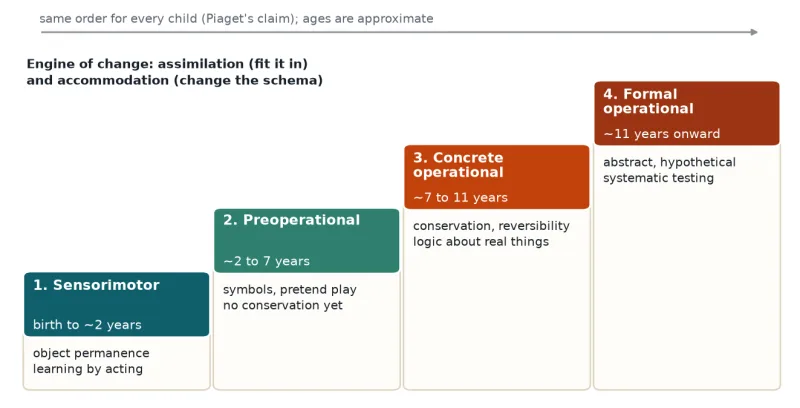
Piaget's four stages with ages, milestones and limits, plus schemas, assimilation and accommodation, the classic tasks, and how to place a vignette.
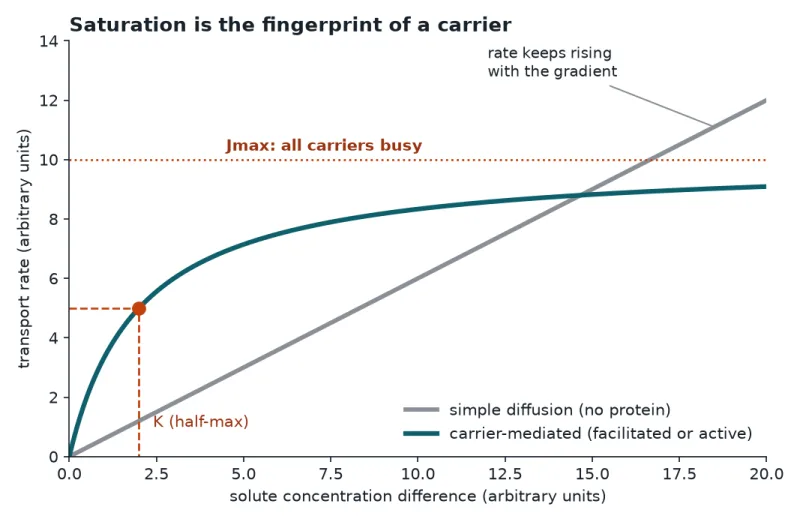
Sort simple diffusion, facilitated diffusion, primary and secondary active transport by energy source, direction and kinetics, with a worked sodium-glucose example.
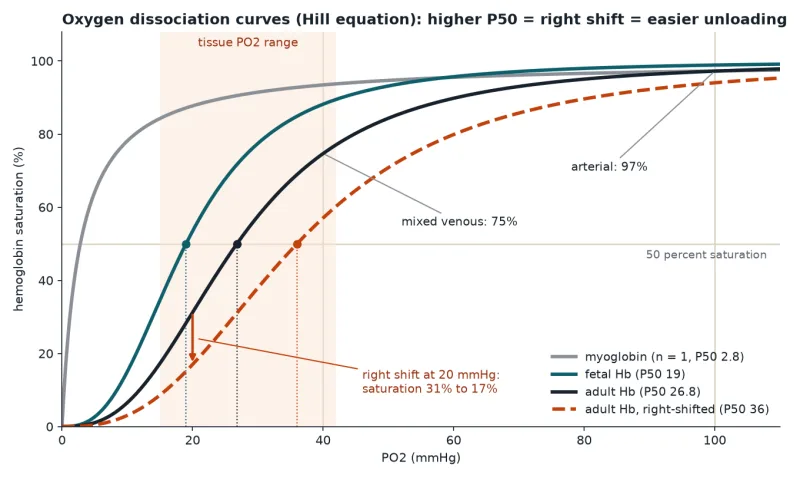
Read the oxygen-hemoglobin dissociation curve: why it is sigmoidal, what P50 means, what shifts it right or left, and how shifts change unloading.
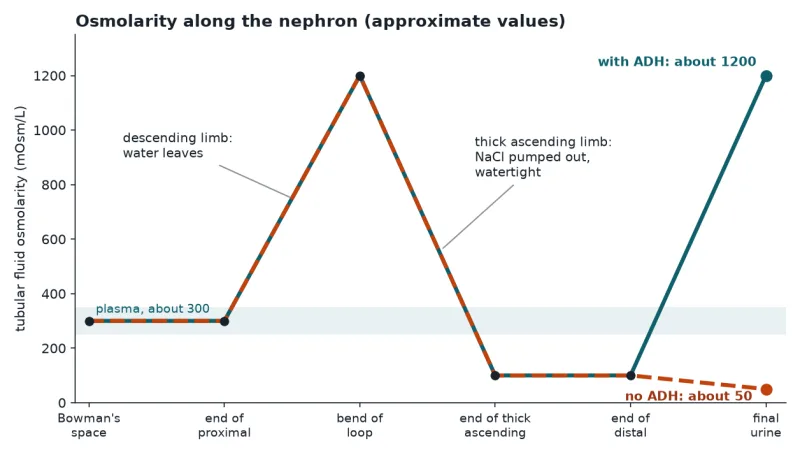
Follow filtrate through the nephron segment by segment, see how the loop of Henle and ADH set urine concentration, and work GFR and clearance math.
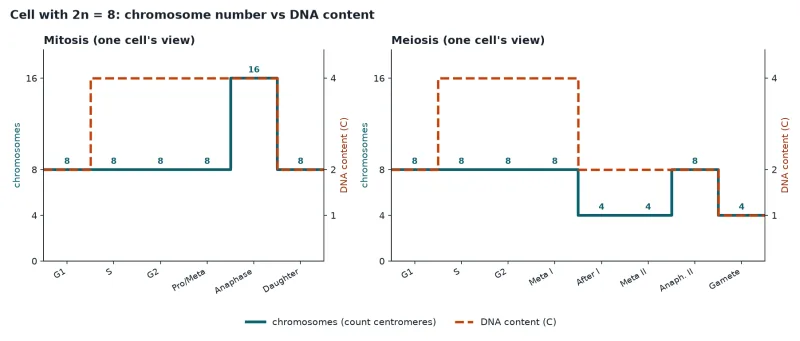
Compare mitosis and meiosis stage by stage, track chromosome, chromatid and DNA counts through each division, and see how nondisjunction causes aneuploidy.
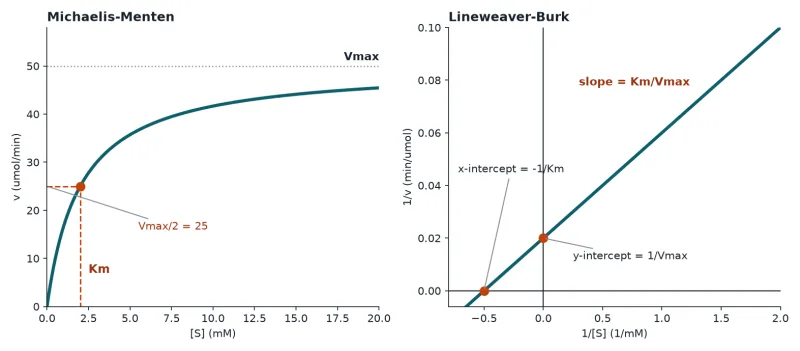
What Km, Vmax, and kcat mean, how to read a Michaelis-Menten curve, and how to pull the numbers out of a Lineweaver-Burk plot, with a worked example.
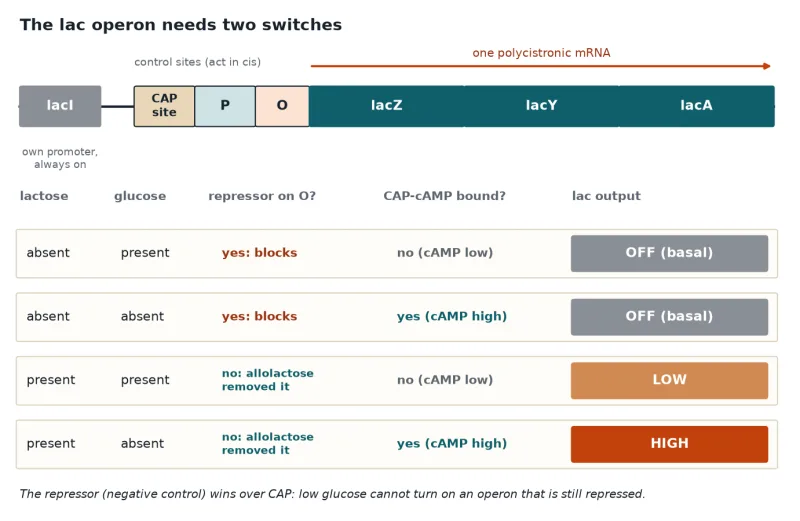
How the lac repressor and CAP-cAMP combine to set lac operon output, a four-condition table, mutant and partial diploid logic, and the traps that cost points.
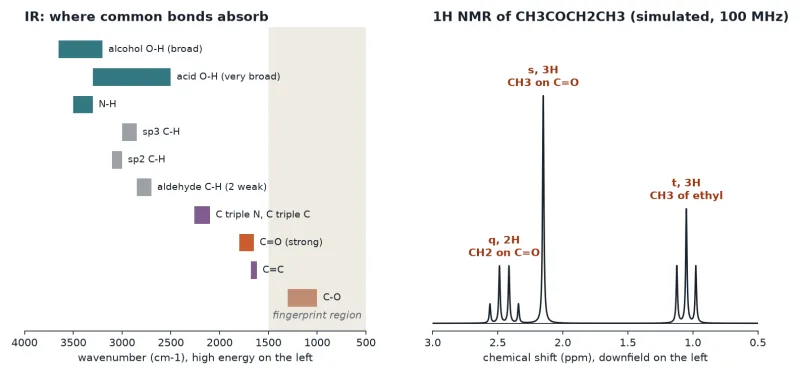
Read IR peaks and 1H NMR shift, integration and splitting step by step, then combine them with degrees of unsaturation to solve a structure.
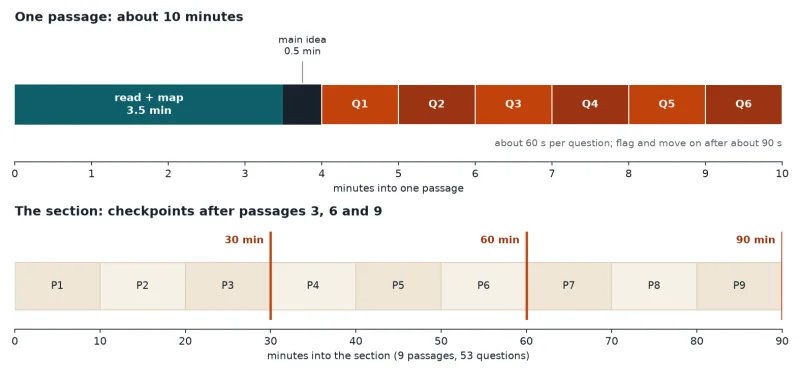
A repeatable way to read a CARS passage: map each paragraph's job, name the main idea, predict before reading choices, and eliminate wrong answers by trap.
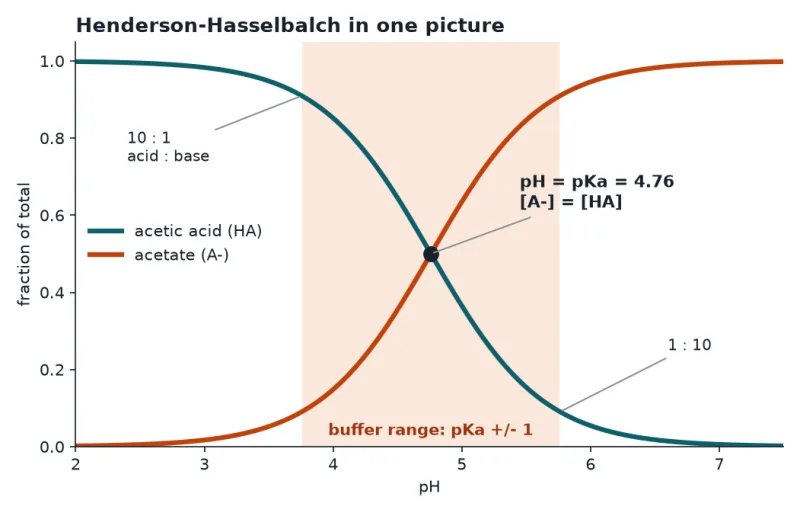
Derive the Henderson-Hasselbalch equation, then use it for buffers, the bicarbonate system in blood, amino acids, and drug ionization, with worked examples.
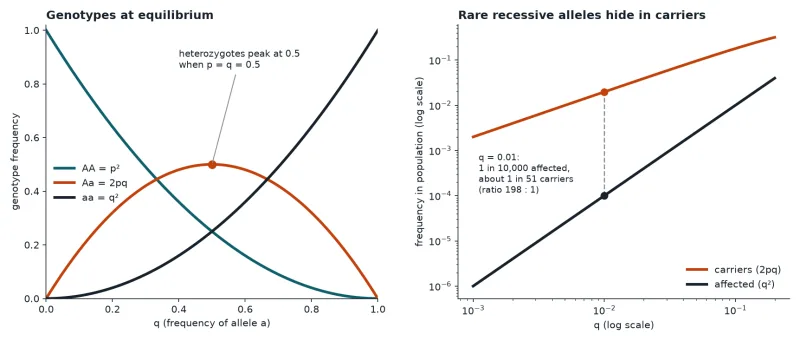
Solve Hardy-Weinberg problems from any starting point: recessive or dominant phenotypes, genotype counts, carriers, X-linked traits, and equilibrium tests.
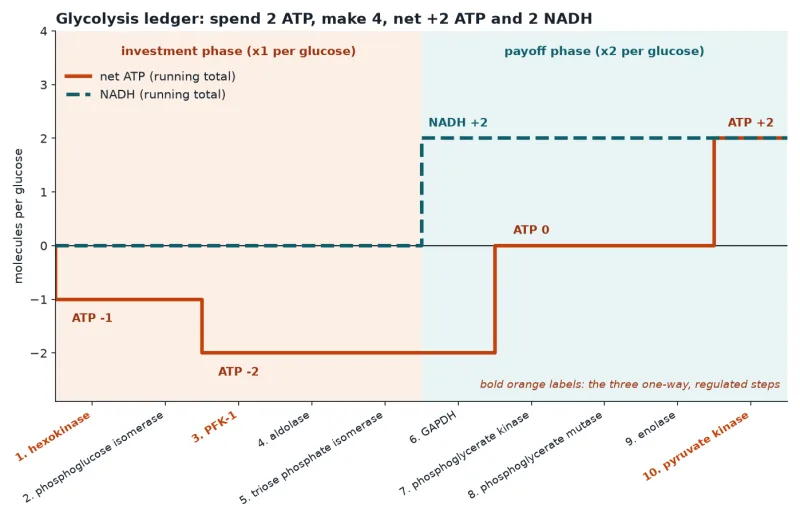
The ten steps of glycolysis grouped into investment and payoff, the three regulated enzymes, a step-by-step ATP and NADH ledger, and trap questions.
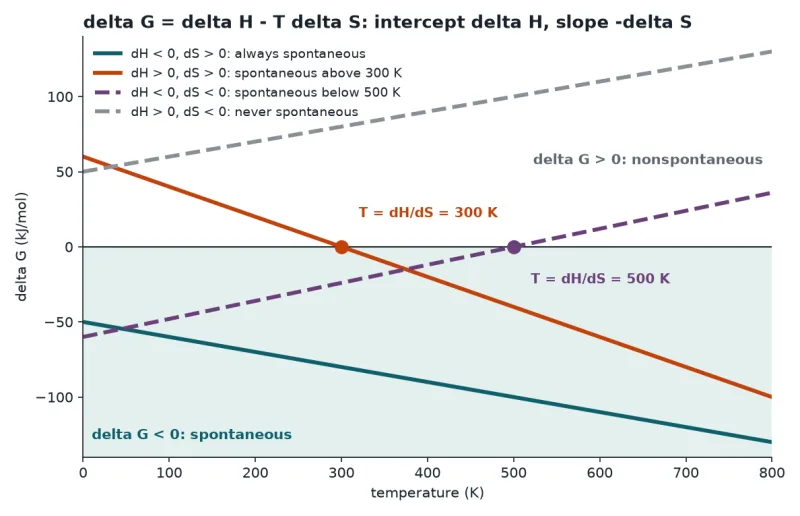
Use delta G = delta H - T delta S to predict spontaneity, find the crossover temperature, and link delta G to K and Q, with worked numbers.
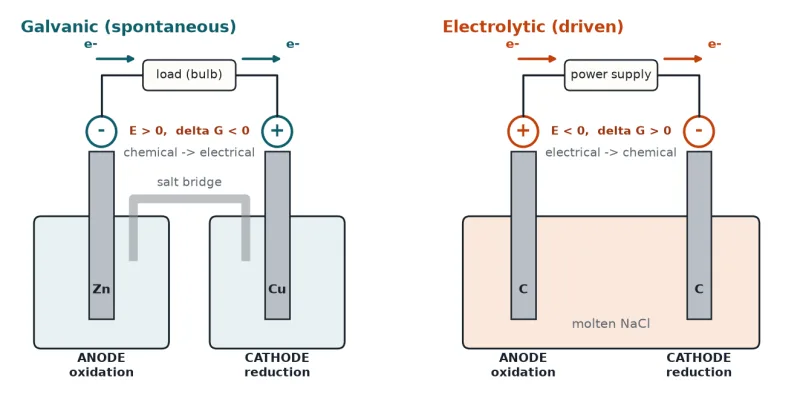
Compare galvanic and electrolytic cells by spontaneity, electrode signs, electron flow, and sign of E and delta G, with worked Nernst and Faraday examples.
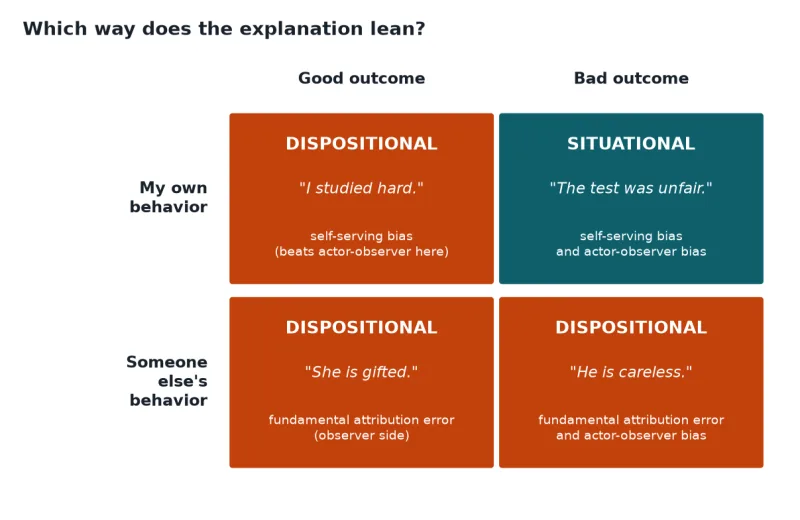
How to tell the fundamental attribution error, actor-observer bias and self-serving bias apart, with Kelley's covariation model and worked examples.
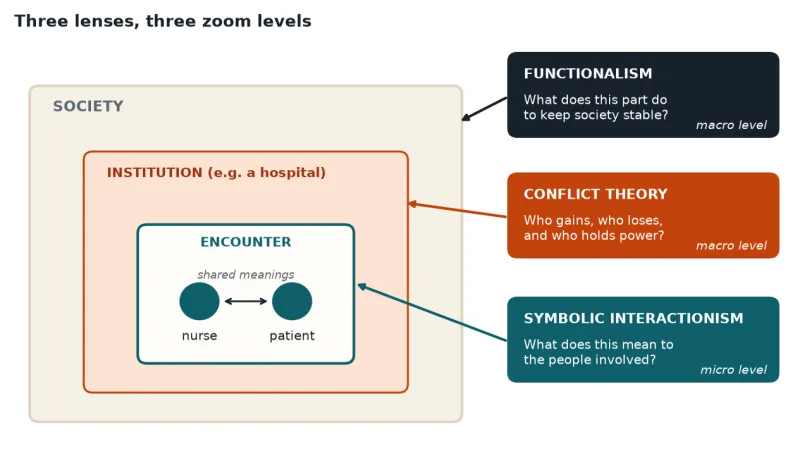
How to tell functionalism, conflict theory and symbolic interactionism apart by level of analysis and core question, with one scenario seen through all three.
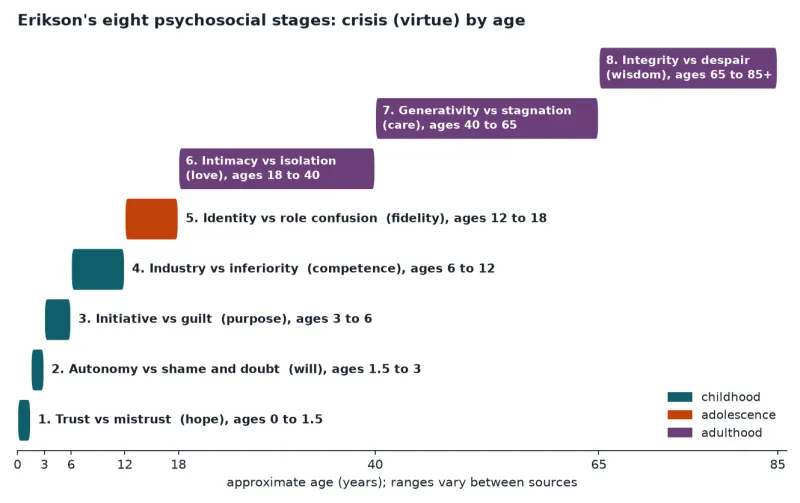
All eight of Erikson's psychosocial stages with ages, crises and virtues, how to match a vignette to a stage, and how Erikson differs from Freud.
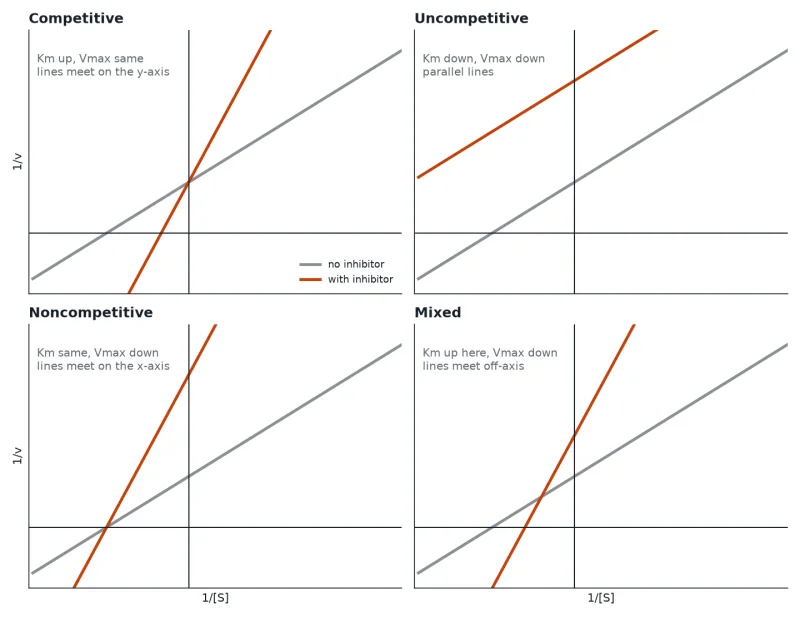
A side-by-side guide to the four reversible inhibition types, how each changes Km and Vmax, and how to recognize them on a Lineweaver-Burk plot.
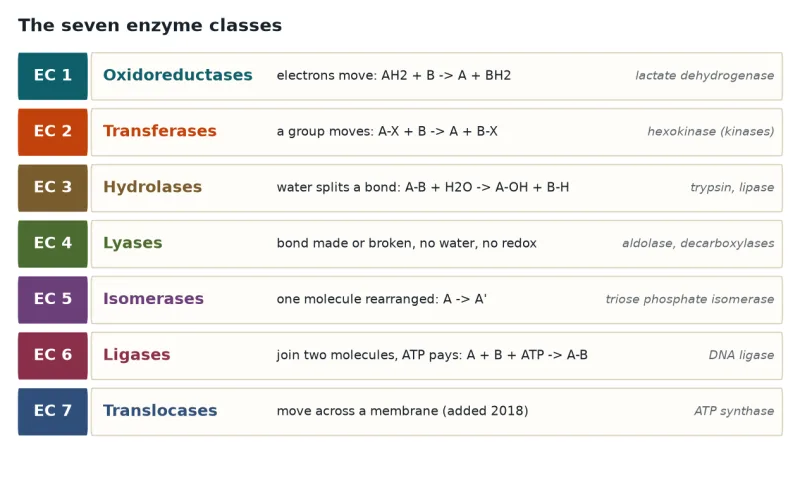
Learn the seven EC enzyme classes, what reaction each catalyzes, the naming clues that give them away, and the exceptions that fool test takers.
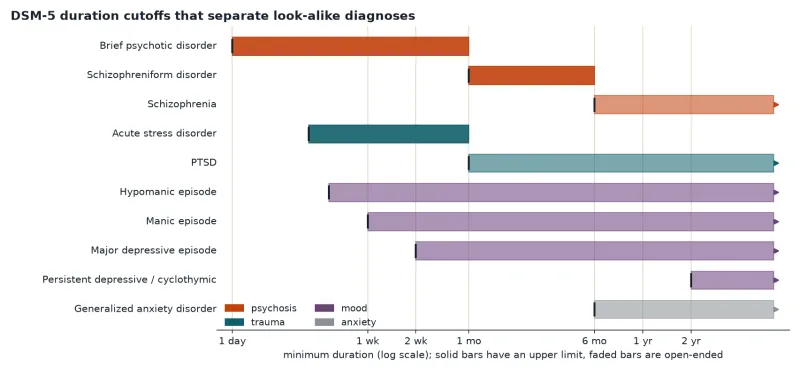
How the DSM-5 groups psychological disorders, what separates look-alike diagnoses, and the duration rules that decide most diagnosis questions.
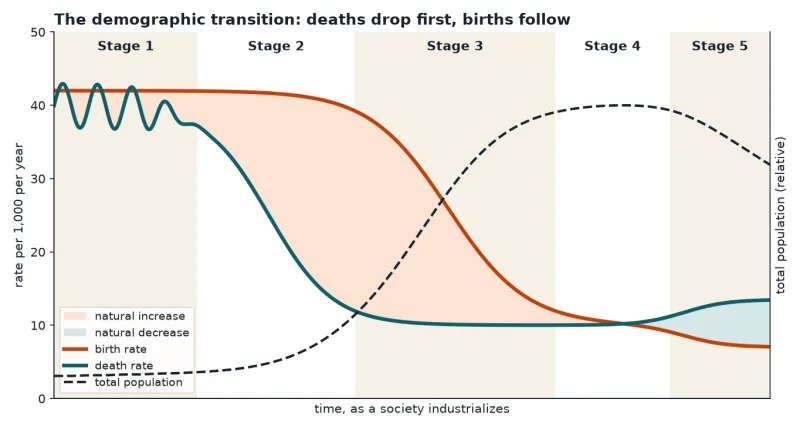
What happens to birth rates, death rates and population growth in each stage of the demographic transition model, with growth-rate and doubling-time math.
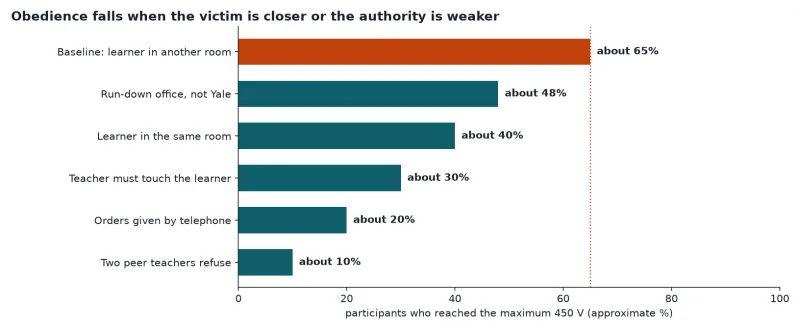
The difference between conformity and obedience, what the Asch and Milgram studies found, and which factors push each rate up or down.
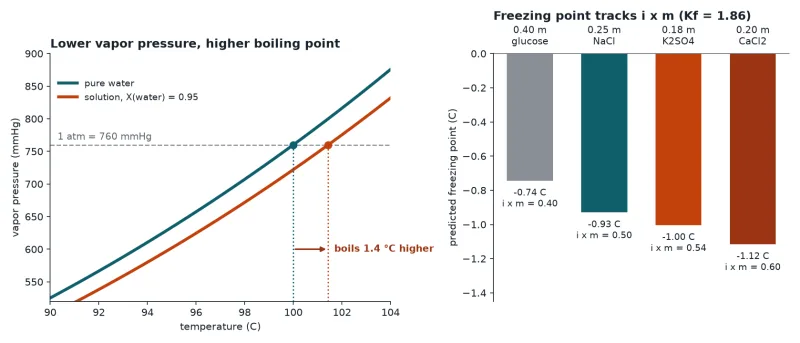
Calculate freezing point depression, boiling point elevation, vapor pressure lowering and osmotic pressure, with the van't Hoff factor and worked examples.
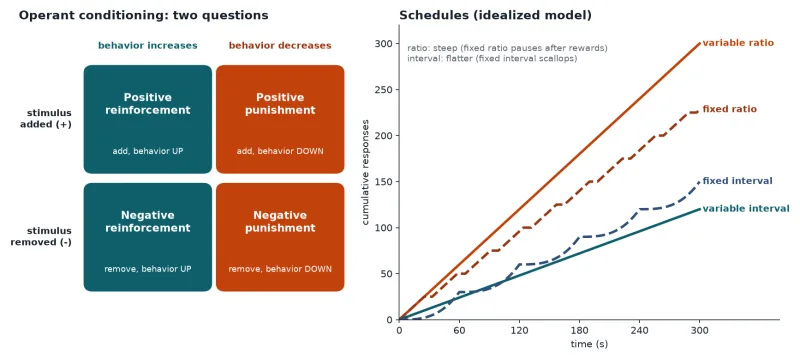
The core difference between classical and operant conditioning, the four reinforcement and punishment cells, and the four reinforcement schedules.
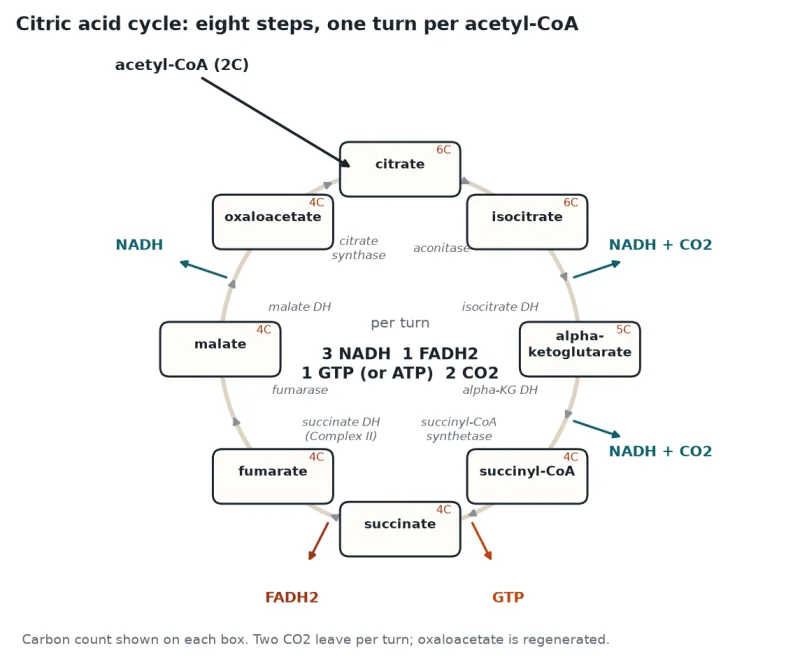
Walk the eight citric acid cycle steps, the products of each turn, the three regulated enzymes, and how to count ATP from acetyl-CoA to glucose.
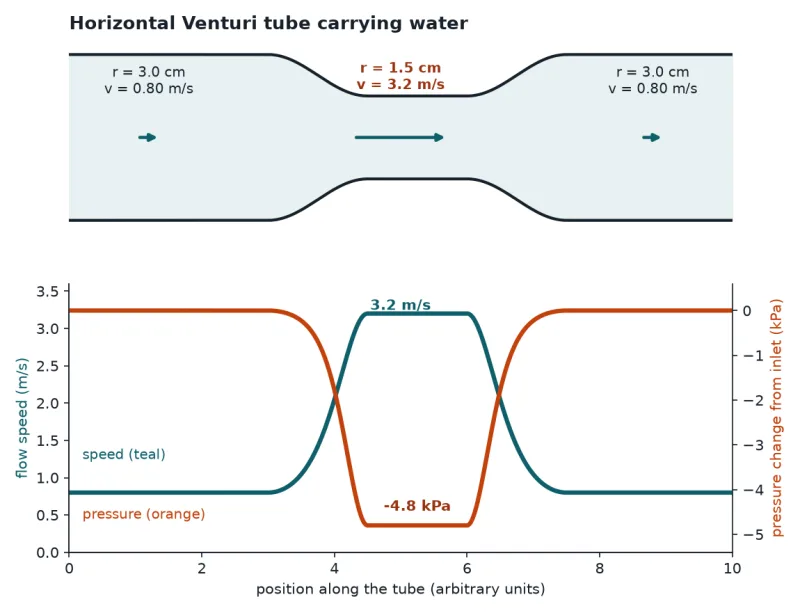
Use the continuity equation and Bernoulli's equation to find flow speed and pressure in a pipe, with worked Venturi, height and Torricelli examples.
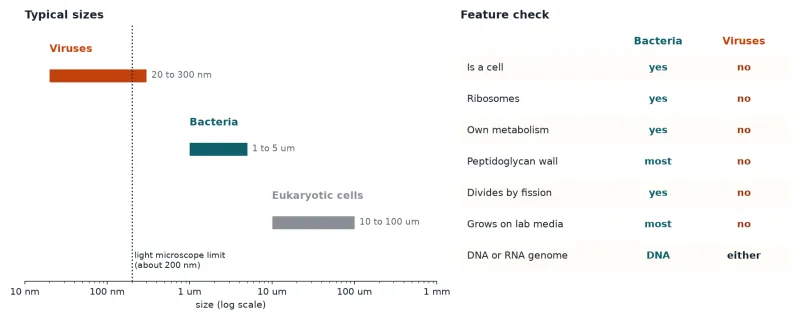
Learn how bacteria and viruses differ in size, structure, genome, replication and drug targets, why antibiotics fail on viruses, and the exceptions that test you.
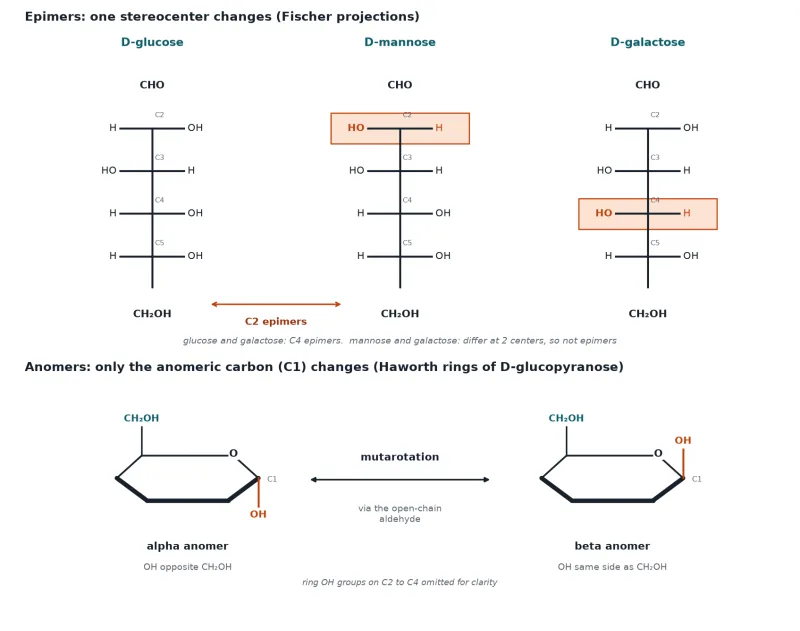
Tell epimers, anomers, enantiomers and other sugar isomers apart using Fischer and Haworth drawings, with a pair-sorting drill and a mutarotation calculation.
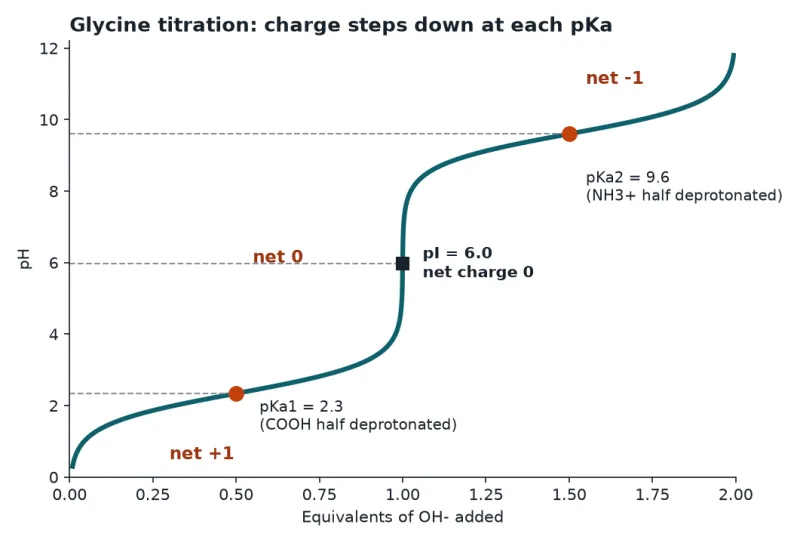
How to predict the charge, pI, and titration behavior of any amino acid for the MCAT, with the side chain pKa values worth memorizing.
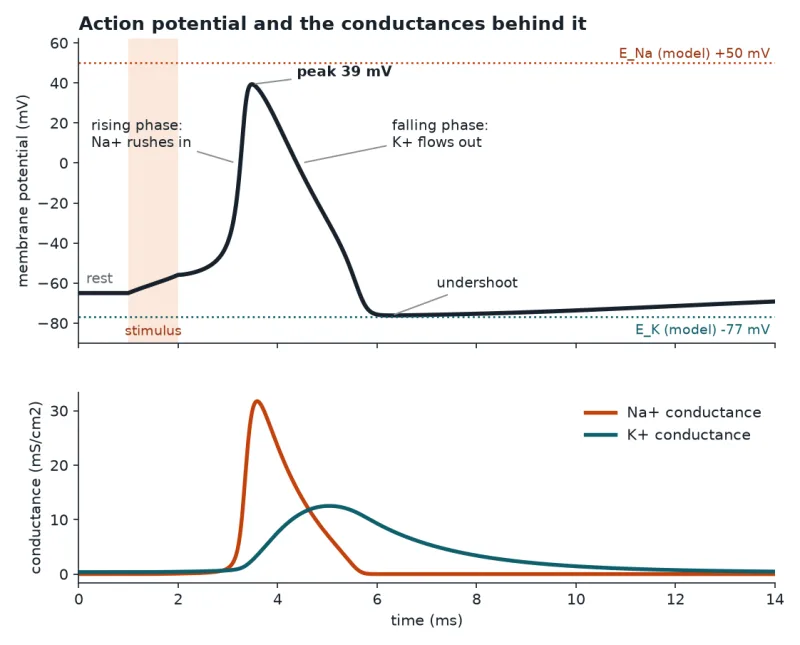
Walk through each action potential phase, which voltage-gated channel opens or closes, why refractory periods exist, and how Nernst potentials set the limits.
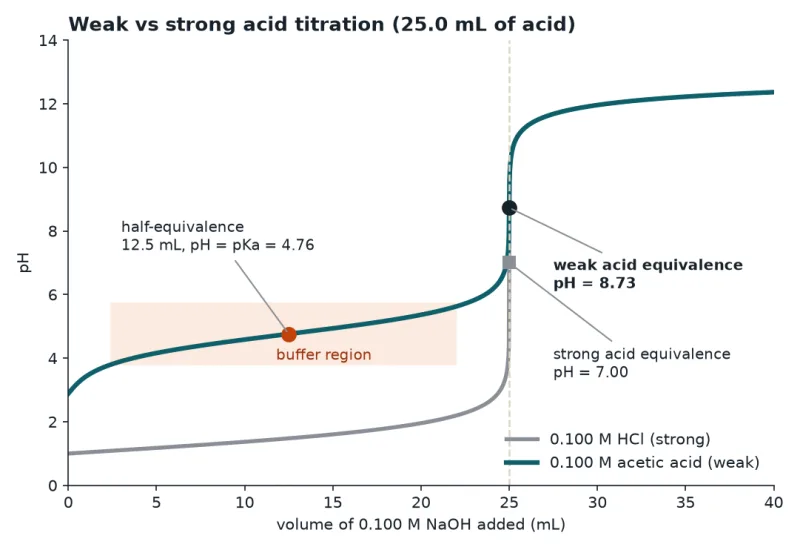
Read any acid-base titration curve: the pH at the start, half-equivalence and equivalence points, indicator choice, and a full weak acid worked example.